

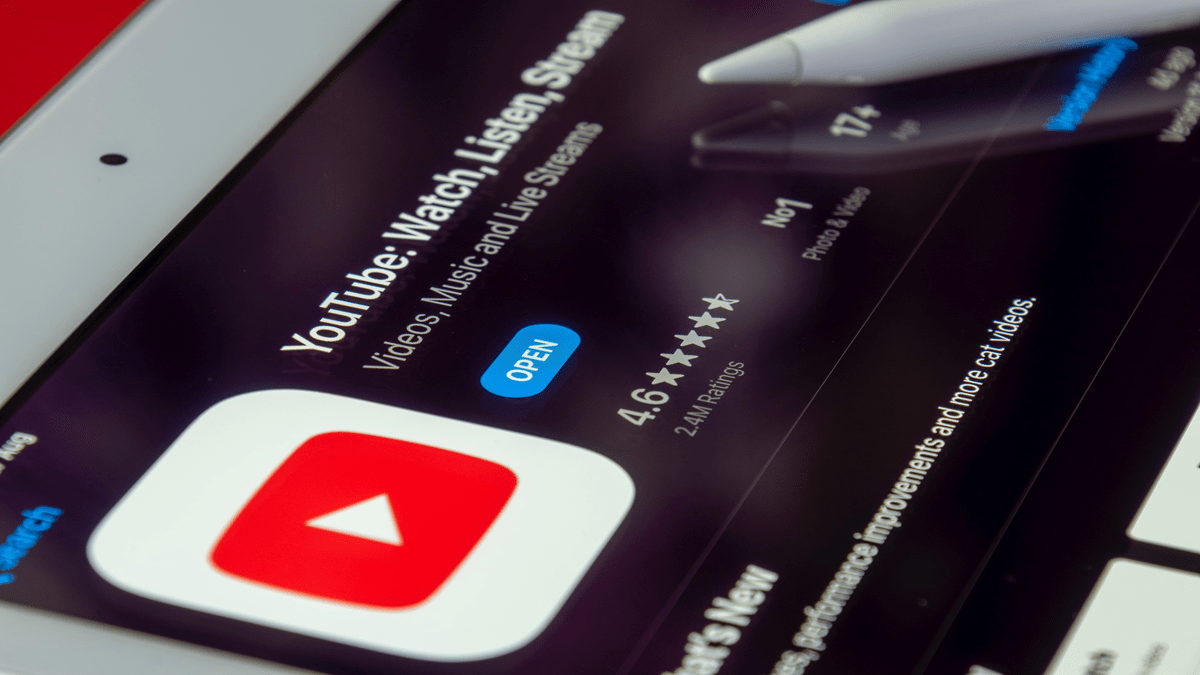

YouTube has increasingly relied on artificial intelligence to enforce its platform policies at scale.
Automation allows the company to moderate billions of uploads each year, but this shift has also created a growing enforcement crisis.
AI systems now play a central role in detecting copyright violations, misinformation, hate speech, election related content, and advertiser sensitive material.
The speed and volume of automated enforcement, however, have moved faster than accuracy and accountability, creating serious concerns for creators, journalists, educators, and public interest groups.
A central problem is over enforcement driven by probability based models. YouTube’s AI does not understand intent, satire, journalism, or cultural context in a human way.
It relies on pattern recognition, keyword signals, audio and visual similarity, metadata, and past channel behavior.
Because of this, legitimate content such as political analysis, historical explainers, documentary footage, or news reporting is often flagged simply because it resembles restricted material.
This results in a high number of false positives where policy compliant videos are removed or limited without clear cause.
Another major issue is the lack of transparency in automated decisions.
When a video is taken down or demonetized, creators usually receive generic policy notices rather than precise explanations.
The system rarely identifies the exact moment, phrase, or visual that triggered enforcement.
This makes it difficult for creators to fix issues, improve compliance, or even understand what the platform expects.
Over time, this opacity weakens trust between YouTube and the people who depend on it for visibility and income.
The appeals process adds further strain. Although YouTube provides an option to appeal enforcement actions, many creators report that appeals are often processed by automated systems again or reviewed under limited human capacity.
In practice, this means AI decisions are frequently upheld without meaningful reassessment.
For small and mid sized creators, even a single incorrect strike or demonetization can disrupt revenue, reduce reach, and slow long term channel growth with little effective remedy.
The impact is most visible in news, political, and educational content. AI systems struggle to separate harmful misinformation from legitimate discussion of sensitive topics.
Videos that analyze extremism, elections, violence, or public policy are often flagged because the system detects associated keywords or imagery, even when the content clearly provides context or criticism.
This has led many creators to avoid important subjects altogether, creating a chilling effect on public discourse.
Monetization enforcement has become another form of indirect control. Videos are frequently labeled as not suitable for advertisers based on automated brand safety rules, even when the content is factual and neutral.
Since monetization status also influences recommendation and reach, demonetization functions as a quiet form of suppression.
Over time, creators adjust their content to avoid risk, which reduces topic diversity and limits serious or complex discussions on the platform.
From a governance standpoint, YouTube’s AI enforcement crisis reflects the risks of assigning decision making power over speech and income to opaque systems.
These automated tools effectively determine what content is visible, profitable, or removed, yet they operate with limited accountability and explanation.
While large scale automation is unavoidable at YouTube’s size, the absence of consistent human oversight and clear procedural fairness raises concerns about due process and platform responsibility.
Why Is YouTube Using AI to Remove Videos Without Clear Explanation?
YouTube relies on artificial intelligence to moderate content because of scale. Millions of videos are uploaded every day. Human review alone cannot keep up. AI systems allow the platform to scan, flag, and act on content quickly. Speed, not clarity, drives this system. That choice explains why many creators lose videos or monetization without clear explanations.
Below is a detailed breakdown of how and why this happens, based on the broader AI enforcement crisis on YouTube.
Scale Over Context
YouTube designed its AI enforcement systems to handle volume first. These systems scan audio, visuals, text, metadata, and engagement patterns at high speed. They do not assess intent, nuance, satire, or journalistic purpose the way a human would.
Because of this design, the system treats similarity as risk. If your video resembles content that violates policy, the system flags it even if your intent is educational or critical. This approach favors fast decisions over accurate ones.
How AI Decides What to Remove
YouTube’s AI does not review videos like a person watching start to finish. Instead, it evaluates signals.
Common signals include:
- Keywords in titles, descriptions, and captions
- Visual matches with restricted or copyrighted material
- Audio similarity to known flagged content
- Past enforcement history of your channel
- Viewer reports that trigger automated rechecks
When enough risk signals appear, the system removes or limits the video automatically.
The system does not store or generate human style explanations. That is why enforcement notices stay vague.
Why Explanations Stay Generic
Most removal notices reference broad policy categories. You do not see timestamps, quotes, or exact triggers. This is not accidental.
Clear explanations would require:
- Storing detailed reasoning for each AI decision
- Running secondary analysis to isolate triggers
- Human verification before sending notices
At YouTube’s scale, the platform avoids these steps to reduce cost and processing time. As a result, you receive high level alerts that do not help you understand or fix the issue.
Automation Repeats During Appeals
When you appeal a removal, you expect human review. In many cases, the system runs automated checks again before any human sees the case. If the AI reaffirms the original decision, the appeal fails quickly.
This leads to a loop where:
- AI removes the video
- AI reviews the appeal
- The same outcome repeats
For small creators, this ends the process. You lose reach, revenue, and sometimes the channel, without a meaningful explanation.
Why News and Educational Content Gets Hit Hard
AI enforcement struggles most with content that discusses sensitive topics.
This includes:
- Elections and public policy
- Extremism and violence analysis
- Historical footage
- Investigative reporting
- Medical and health topics
The system detects keywords and visuals tied to risk categories. It does not reliably separate harmful promotion from critical discussion. If your video explains or analyzes a sensitive issue, the system often treats it as a violation.
Creators learn this pattern quickly and avoid serious topics to protect their channels.
Monetization as Silent Enforcement
Removal is not the only penalty. AI often restricts monetization without removing the video. This happens through advertiser suitability checks.
When the system limits ads:
- Your revenue drops
- Your video often receives less algorithmic distribution
- Your channel performance declines over time
YouTube does not describe this as enforcement, but the impact is similar. It shapes what content survives on the platform.
Why You Feel Powerless as a Creator
AI enforcement decisions affect speech, income, and visibility. Yet you do not get:
- Clear reasons
- Predictable standards
- Reliable human review
This imbalance creates frustration. You carry the risk, while the system remains opaque. Over time, creators stop trusting enforcement messages and focus on avoiding triggers rather than making better content.
Claims That Need Evidence
The following claims require external verification through platform disclosures, creator surveys, or transparency reports:
- Percentage of appeals reviewed only by automation
- False positive rates in AI enforcement
- Revenue loss caused by automated demonetization
- Disproportionate impact on small creators and news channels
Independent studies and creator advocacy reports often cite these issues, but precise figures vary.
Ways To Address YouTube’s AI Enforcement Crisis
YouTube’s AI enforcement crisis stems from overreliance on automation that lacks context, explanation, and consistent human review.
Addressing this problem requires a mix of platform level reform and creator level safeguards.
Clearer enforcement explanations, stronger human involvement in appeals, and better context detection for news, education, and commentary are essential platform fixes.
At the creator level, early context framing, neutral metadata, disciplined appeals, and diversified revenue reduce damage from AI errors.
Until transparency and accountability improve, managing AI enforcement risk remains a necessary part of building and protecting a YouTube channel.
| Way to Address the Crisis | Explanation |
|---|---|
| Improve enforcement transparency | Show exact triggers such as timestamps, phrases, or visuals so creators know why action was taken. |
| Restore human review in appeals | Ensure real reviewers handle appeals, especially for news, education, and political content. |
| Strengthen context detection | Train AI to better separate explanation, criticism, and reporting from promotion. |
| Separate appeals from automation | Prevent appeals from repeating the same automated checks that caused the original action. |
| Reform monetization enforcement | Stop using advertiser safety rules as silent content suppression for compliant videos. |
| Provide clearer creator notices | Use specific, actionable explanations instead of broad policy labels. |
| Limit long-term risk scoring | Prevent one false strike from permanently increasing enforcement risk. |
| Protect public interest content | Apply higher tolerance for sensitive material in news and educational videos. |
| Frame intent clearly in videos | State purpose early to reduce AI misinterpretation. |
| Use neutral metadata | Avoid sensational titles, thumbnails, and descriptions that trigger risk signals. |
| Simplify content structure | Focus on one sensitive topic per video to avoid stacking risk signals. |
| Act quickly on appeals | Submit early, factual appeals to increase the chance of meaningful review. |
| Diversify creator revenue | Reduce dependence on AdSense through memberships and sponsorships. |
| Document enforcement history | Track flags, appeals, and outcomes to spot patterns and support escalations. |
| Publish independent AI audits | Measure false positives, bias, and error rates regularly. |
| Balance safety with fairness | Protect users without silencing legitimate creators and commentary. |
How YouTube’s AI Moderation System Flags Innocent Channels by Mistake
YouTube uses AI moderation to control content at massive scale. Millions of videos upload every day. Automation makes this volume manageable, but it also creates systemic errors. Many innocent channels get flagged, restricted, or punished even when they follow platform rules. This happens because the system prioritizes speed and pattern detection over human judgment and context.
Why YouTube Relies on Automated Moderation
YouTube uses AI because manual review cannot handle the upload volume. The system scans content before and after publishing. It checks videos continuously as engagement grows.
This approach allows fast enforcement, but it removes careful evaluation. AI decides first. Humans review later, if at all.
That design choice explains why mistakes spread quickly.
How the AI Evaluates Your Channel
The moderation system does not watch videos the way you do. It processes signals.
These signals include:
- Words in your title, description, and captions
- Audio matches with flagged databases
- Visual similarity to restricted footage
- Viewer reports that trigger automated scans
- Your channel’s past enforcement history
If several signals cross internal risk thresholds, the system flags the video or the entire channel.
Intent does not factor into this decision.
Why Innocent Content Triggers Violations
AI systems treat similarity as threat. If your video resembles restricted content, the system reacts.
This affects:
- Educational videos discussing sensitive topics
- News commentary using real footage
- Political analysis referencing controversial events
- Historical explanations that include violence or extremism
The system struggles to separate discussion from promotion. When you explain or critique harmful material, the AI often reads it as harmful itself.
Channel History Can Work Against You
Once the system flags your channel, future videos face higher scrutiny. A single mistaken strike changes how the AI views your uploads.
This creates a feedback loop:
- One false flag increases risk scores
- New uploads receive faster enforcement
- Appeals face higher rejection rates
Even when you fix issues, the system continues to treat your channel as risky.
Why Warnings and Notices Feel Vague
When YouTube flags a video or channel, it sends generic policy alerts. You do not see exact triggers.
You do not get:
- Specific timestamps
- Quoted phrases
- Visual references
This happens because the system does not store human readable explanations. Generating detailed reasons would slow enforcement and increase cost. YouTube avoids this tradeoff.
The result is confusion on your side.
How Appeals Fail Innocent Channels
Appeals often repeat the same automated checks. In many cases, AI reviews the appeal before any human involvement.
If the system confirms its own decision, the appeal fails quickly.
For small creators, this ends the process. You lose videos, monetization, or the channel with no clear correction path.
Claims about appeal automation rates and false positives require external verification through transparency reports, creator surveys, or independent research.
Why Monetization Flags Hurt Even More
Not all penalties remove content. Many restrict ads.
When the system limits monetization:
- Your revenue drops immediately
- Your video receives less distribution
- Your channel growth slows
YouTube frames this as advertiser safety, but the impact mirrors enforcement. Content survives, but visibility fades.
Why Certain Niches Face Higher Risk
Some topics trigger AI scrutiny more than others.
High risk categories include:
- Politics and elections
- Health and medical content
- Crime and violence analysis
- Public policy commentary
- Investigative reporting
If your channel focuses on these areas, you face higher false positive rates. The system treats caution as guilt.
What This Means for You as a Creator
YouTube’s AI moderation flags innocent channels because it values speed, scale, and risk reduction over context and explanation. The system reacts to patterns, not purpose.
You bear the cost of these errors through lost reach, revenue, and trust. Until YouTube improves transparency, appeal quality, and human review, these mistakes will continue.
If you create serious, educational, or critical content, you operate under constant algorithmic suspicion. That is the core failure behind YouTube’s AI enforcement crisis.
What Creators Should Do When YouTube AI Wrongly Demonetizes Videos
YouTube uses automated systems to decide whether videos qualify for ads. These systems act fast and at scale, but they often get it wrong. When AI wrongly demonetizes your video, the impact is immediate. Your revenue drops, reach declines, and your channel performance suffers. Knowing how to respond helps you reduce damage and regain control.
Understand Why Demonetization Happens
YouTube’s AI checks videos for advertiser safety, not just policy violations. It scans visuals, audio, captions, titles, descriptions, and viewer behavior. The system looks for risk signals, not intent.
Common triggers include:
- Sensitive keywords related to politics, crime, health, or conflict
- News footage or archival visuals
- Strong language or controversial topics
- Audio or imagery similar to flagged content
The system does not evaluate whether your content is educational, critical, or neutral. It reacts to patterns.
Check the Demonetization Status Carefully
Start inside YouTube Studio. Look at the monetization tab for the video.
Identify:
- Whether the video shows limited ads or no ads
- The policy category cited
- Any additional warnings or notes
You will usually see broad labels like sensitive issues or unsuitable for advertisers. These labels lack detail, but they guide your next step.
Appeal Immediately and Precisely
If you believe the decision is wrong, file an appeal as soon as possible. Time matters because early appeals improve the chance of human review.
When appealing:
- Select the most accurate appeal reason
- Keep your explanation short and factual
- State the intent of your video clearly
- Avoid emotional language
Example quote you can use in appeals:
“This video discusses the topic in an educational and critical manner. It does not promote harm, misinformation, or unsafe behavior.”
Claims about appeal success rates require verification through creator reports or platform disclosures.
Review Your Content for AI Triggers
Even when you are right, small changes can help.
Check:
- Title wording
- Thumbnail text
- First 30 seconds of audio
- On screen captions
If the video includes sensitive context, add clarity early. Explain what viewers will see and why. Clear framing helps both AI systems and human reviewers.
Do Not Reupload Without Changes
Reuploading the same video without edits often repeats the same result. The system recognizes similarity.
If you reupload:
- Adjust the title and description
- Change thumbnail text
- Add clearer context in the opening
- Remove unnecessary visuals that resemble flagged material
These changes reduce pattern matches.
Track Patterns Across Your Channel
One wrong demonetization can signal a larger issue. Look for trends.
Ask yourself:
- Does this happen with specific topics
- Do certain words trigger limits
- Does monetization drop after viewer reports
If you spot a pattern, adapt how you frame content without changing facts. Framing matters more than most creators expect.
Protect Your Channel From Repeat Hits
Repeated demonetization affects long term performance. You can reduce risk by spreading income sources.
Consider:
- Channel memberships
- Sponsorships outside AdSense
- External platforms for distribution
This does not fix AI errors, but it reduces dependency on automated decisions.
When to Escalate Beyond Standard Appeals
If demonetization affects many videos, use creator support channels if available to you. Larger channels sometimes access chat or email support.
Document:
- Video links
- Dates of demonetization
- Appeal outcomes
Claims about differential support access require evidence from YouTube program documentation.
Is YouTube’s AI Enforcement Hurting Small and Independent Creators?
YouTube uses automated enforcement to manage content at massive scale. This system affects all creators, but small and independent channels feel the impact more sharply. When AI flags videos, limits monetization, or issues strikes without clear explanation, larger channels often recover faster. Smaller creators do not. The gap in resources, reach, and support turns automated errors into lasting damage.
Why Small Creators Face Higher Risk
AI enforcement relies on pattern detection. It reacts to keywords, visuals, audio matches, and engagement signals. It does not assess your intent or your experience level.
Small creators lack buffers:
- Fewer videos to absorb revenue loss
- Smaller audiences to offset reduced reach
- Limited access to direct creator support
When the system makes a mistake, the impact hits harder and lasts longer.
Automation Treats All Channels the Same
The system applies the same rules to every channel. It does not adjust for size, topic depth, or context.
This creates problems because:
- One false strike can halt growth
- One demonetized video can erase a month of income
- One warning can lower trust scores for future uploads
Large channels spread risk across many videos. You cannot.
Appeals Favor Scale and Visibility
YouTube offers appeals, but access varies.
Small creators often face:
- Automated appeal reviews
- Delayed responses
- Generic rejections
Larger channels sometimes receive human review faster due to higher visibility or partner programs. Claims about differential treatment require confirmation through platform documentation or creator surveys, but reported patterns remain consistent.
Monetization Limits Act as Silent Suppression
AI often restricts ads instead of removing videos. This matters more for small creators.
When monetization drops:
- Revenue falls immediately
- Recommendations slow
- Subscriber growth stalls
You may not lose the video, but you lose momentum. Recovery takes time you cannot afford.
Content Framing Becomes a Survival Strategy
Small creators adjust content to avoid AI triggers. This changes what gets published.
Common adjustments include:
- Avoiding sensitive topics
- Softening titles and thumbnails
- Reducing news or analysis depth
These changes protect the channel, but they also narrow the range of voices on the platform.
Channel History Can Lock You Into Risk
Once the system flags your channel, it watches future uploads more closely.
This creates a cycle:
- One false flag raises risk scores
- New uploads face faster enforcement
- Appeals fail more often
You spend more time managing risk than creating content.
Why This Hurts Independent Media
Independent creators often cover:
- Local issues
- Public policy
- Education and explainers
- Niche communities
AI struggles with these formats. When enforcement limits them, audiences lose access to diverse viewpoints. The platform becomes safer for advertisers but thinner for public discussion.
How Accurate Is YouTube’s AI in Detecting Policy Violations?
YouTube uses artificial intelligence to detect policy violations across billions of videos. This system enables fast enforcement, but accuracy remains uneven. The AI performs well in narrow, clearly defined cases, yet it struggles with context, intent, and complex content. For creators, this gap between speed and understanding explains many false flags, wrongful strikes, and inconsistent outcomes.
What YouTube’s AI Does Well
The AI performs best when violations are explicit and repetitive. In these cases, accuracy is relatively high.
Strong areas include:
- Exact copyright matches using audio or video fingerprints
- Reuploads of previously removed content
- Clear spam patterns such as mass repetition or scams
- Known harmful imagery already in enforcement databases
In these scenarios, the system compares content against large reference libraries. When the match is direct, accuracy improves.
Claims about accuracy rates in copyright matching require confirmation through YouTube transparency reports.
Where Accuracy Drops Sharply
Accuracy declines when content requires judgment.
Problem areas include:
- News reporting using real footage
- Educational explanations of harmful topics
- Political commentary and satire
- Historical or documentary material
- Medical and health discussions
The AI does not evaluate meaning. It evaluates similarity. When your content resembles restricted material, the system often flags it even if your intent is critical or educational.
Why Context Remains the Core Weakness
AI enforcement does not understand why you show something. It only sees that you showed it.
For example:
- Explaining extremist behavior can look like promoting it
- Reporting on violence can resemble graphic content
- Analyzing misinformation can resemble misinformation
Without reliable context detection, the system treats explanation and endorsement as the same risk.
How Risk Scoring Skews Decisions
YouTube’s AI assigns internal risk scores based on multiple signals.
These signals include:
- Words in titles and descriptions
- On screen text and captions
- Visual similarity to flagged content
- Viewer reports
- Your channel’s past enforcement history
Once risk crosses a threshold, enforcement triggers automatically. This process favors caution over precision.
The exact weighting of these signals is not public and requires independent verification.
False Positives Are Not Random
Errors cluster around specific creator types.
Higher false positive rates appear in:
- Small and independent channels
- News and commentary creators
- Educational and documentary formats
- Channels covering sensitive public topics
Large entertainment channels face fewer enforcement issues because their content rarely overlaps with restricted categories.
Claims about differential error rates require external audits or large scale creator surveys.
Why Appeals Do Not Fix Accuracy Gaps
Appeals do not always introduce human judgment. In many cases, automated systems review appeals first.
If the AI confirms its own decision, the appeal fails quickly. Human review happens inconsistently and often late.
This limits the system’s ability to learn from mistakes and correct patterns.
Monetization Decisions Lower the Accuracy Bar
Advertiser safety checks use stricter thresholds than content removal.
As a result:
- Videos remain online but lose ads
- Content follows policy but fails brand safety rules
- Accuracy gives way to risk avoidance
These decisions shape reach and revenue without requiring proof of policy violations.
What Accuracy Means for You as a Creator
YouTube’s AI detects obvious violations with reasonable consistency. It fails when content requires judgment.
You should assume:
- Context increases risk
- Explanation does not protect you
- Past flags affect future decisions
The system does not assess fairness. It assesses probability.
Why YouTube AI Appeals Often Fail Even When Creators Follow Rules
YouTube uses automated systems not only to enforce rules but also to review appeals. This design explains why many appeals fail even when you follow platform policies. The appeals process often repeats the same automated logic that caused the original action. Human judgment enters late or not at all. For creators, this turns appeals into a formality rather than a real review.
Appeals Often Start with Automation, Not Humans
When you submit an appeal, the system does not always send it directly to a human reviewer. In many cases, automated checks run first.
These checks compare:
- The original enforcement signals
- Similar past cases
- Existing risk scores for your channel
If the system confirms its earlier decision, the appeal ends quickly. No fresh analysis happens. This structure explains why appeals fail even when your content follows the rules.
Claims about the percentage of automated appeal reviews require verification through transparency reports or independent studies.
The System Defends Its Own Decisions
AI systems optimize for consistency. When an appeal challenges a prior decision, the system treats it as a validation task, not a reconsideration.
This creates a bias:
- The original flag sets the baseline
- The appeal must overcome that baseline
- New context carries limited weight
In practice, the system asks whether it acted consistently, not whether it acted correctly.
Creators Cannot See or Address the Real Trigger
Appeal forms provide little information. You do not know:
- Which exact moment caused the flag
- Which word or image triggered enforcement
- Which policy clause applied
Without this detail, your appeal becomes generic. You explain intent, but the system evaluates patterns. That mismatch causes failure.
Context Does Not Translate Well Into Appeals
Creators often explain that their content is educational, critical, or documentary. AI systems do not measure intent the way humans do.
For example:
- Explaining misinformation still contains misinformation terms
- Reporting violence still includes violent visuals
- Analyzing extremism still shows extremist references
When you explain context, the system does not adjust its assessment. It only checks whether risk signals still exist.
Channel History Works Against You During Appeals
Past enforcement shapes appeal outcomes. If your channel has prior strikes or warnings, the system applies stricter thresholds.
This creates a compounding effect:
- One mistake raises future scrutiny
- Appeals face higher rejection rates
- Recovery becomes harder over time
Even when you fix issues, the system continues to treat your channel as risky.
Human Review Is Limited and Uneven
YouTube states that humans review some appeals. Access to that review varies.
Smaller creators often experience:
- Automated rejections
- Short review times
- No follow up explanation
Larger channels or partners sometimes receive faster or deeper review. Claims about unequal access require evidence from platform documentation or creator surveys, but reported experiences show consistent patterns.
Advertiser Safety Appeals Face Even Higher Barriers
Monetization appeals fail more often than content appeals. Advertiser safety uses stricter standards.
If your video touches sensitive topics, the system favors advertiser comfort over creator accuracy. Even compliant content can lose ads permanently.
This explains why monetization appeals often fail without policy violations.
Why Appeals Do Not Improve the System
Appeals rarely feed back into model improvement in real time. When the system rejects an appeal, it reinforces existing patterns.
This means:
- False positives repeat
- Known edge cases persist
- Creator trust declines
The system learns scale, not fairness.
What Happens When YouTube AI Enforcement Replaces Human Reviewers
YouTube increasingly relies on AI to enforce content rules at scale. As automation replaces human reviewers, enforcement becomes faster but less precise. This shift changes how decisions get made, how errors spread, and how creators experience accountability. When AI becomes the primary judge, the system favors speed and consistency over understanding and explanation.
Decisions Become Faster but Narrower
AI enforcement processes videos in seconds. It scans audio, visuals, text, metadata, and engagement signals. This speed allows YouTube to manage volume, but it narrows judgment.
The system checks for matches and risk signals. It does not pause to assess intent or nuance. As a result, borderline cases receive the same treatment as obvious violations.
Context Loses Priority
Human reviewers can assess why content exists. AI cannot.
When AI replaces humans:
- Explanation and critique look similar to promotion
- News footage looks similar to harmful content
- Education looks similar to instruction
The system sees patterns, not purpose. This causes false flags in news, education, and commentary.
Error Rates Increase in Complex Content
AI performs best with clear violations. It fails with layered content.
High error areas include:
- Political analysis
- Health and medical discussions
- Documentary footage
- Historical explanations
- Investigative reporting
Human reviewers handle these areas better because they understand framing. Without them, mistakes increase.
Claims about error rate changes require confirmation through transparency reports or independent audits.
Appeals Lose Meaning
When AI handles both enforcement and appeal screening, the process becomes circular.
What happens:
- AI flags the content
- AI checks the appeal
- The original decision stands
Human review becomes rare or delayed. Appeals stop functioning as real second opinions.
Consistency Replaces Fairness
AI systems optimize for consistency. They repeat decisions that match prior outcomes.
This creates a system that:
- Defends past actions
- Resists correction
- Reinforces existing bias
Once a channel receives flags, future uploads face stricter thresholds. Human reviewers could break this cycle. AI does not.
Transparency Declines
Human reviewers can explain decisions. AI cannot.
As automation expands:
- Notices stay vague
- Specific triggers remain hidden
- Creators cannot fix issues confidently
This reduces trust and increases guesswork. You adjust content blindly to avoid risk.
Monetization Control Expands Quietly
AI enforcement affects ads as much as content removal.
Without human review:
- Videos lose ads based on topic risk
- Revenue drops without policy violations
- Distribution slows
These decisions shape what content survives, even when rules are followed.
Small Creators Lose Protection First
Large channels sometimes access support or escalation. Small creators rarely do.
When AI replaces humans:
- Errors hit harder
- Recovery takes longer
- Channels disappear quietly
Claims about unequal impact require independent creator data, but reported patterns remain consistent.
The System Learns Scale, Not Accuracy
AI improves by processing volume. It does not learn fairness unless humans correct it.
When humans exit the loop:
- False positives repeat
- Edge cases persist
- Trust declines
The system grows efficient, not better.
How YouTube’s Automated Moderation Impacts News, Education, and Politics
YouTube relies on automated moderation to manage an enormous flow of content. This system scans videos at scale and acts fast. The tradeoff is accuracy and context. News, education, and political content face the highest risk because these formats depend on explanation, evidence, and nuance. When AI replaces careful review, the system often misreads purpose and intent. That gap shapes what you can publish and how far it can travel.
Why These Categories Face Higher Scrutiny
Automated moderation prioritizes risk reduction. News, education, and politics include topics the system labels as sensitive.
High risk signals include:
- Elections and public policy
- Violence and conflict
- Health and medical claims
- Extremism and misinformation
- Archival footage and real world events
The system treats sensitivity as danger. It does not reliably separate analysis from promotion.
How Automated Systems Read Content
AI does not watch a video like a person. It processes signals.
Key inputs include:
- Keywords in titles and descriptions
- On screen text and captions
- Visual similarity to restricted footage
- Audio matches and speech patterns
- Viewer reports that trigger rescans
- Channel history and prior flags
When several signals appear together, enforcement triggers. The system does not ask why the content exists.
Impact on News Reporting
News content often uses real footage and direct language. That increases risk.
Common outcomes include:
- Demonetization due to advertiser safety rules
- Limited distribution in recommendations
- Age restrictions or removal
- Failed appeals due to repeated signals
Reporting facts can look like spreading harm when the system only sees images and keywords.
Claims about frequency and scale of these actions require confirmation through transparency reports or independent audits.
Impact on Educational Content
Educational videos explain complex topics. They often show examples to teach viewers.
This creates problems when:
- Lessons include graphic or sensitive material
- Medical content discusses symptoms or treatment
- History lessons show violence or propaganda
- Media literacy videos quote misinformation
The system flags examples without understanding context. Explanation does not reduce risk signals.
Impact on Political Content
Political analysis triggers some of the strictest controls.
AI struggles to handle:
- Criticism of public figures
- Election coverage
- Policy debates
- Protest footage
These videos often face reduced reach or ad limits even when they follow platform rules. This shapes what political voices survive on the platform.
Claims about political bias require evidence from third party studies, but uneven enforcement remains widely reported.
Monetization Acts as Hidden Enforcement
Automated moderation affects ads as much as removals.
When the system limits monetization:
- Revenue drops
- Recommendations slow
- Audience growth stalls
Videos remain online, but visibility fades. This pressure changes creator behavior without formal takedowns.
Appeals Offer Limited Relief
Appeals often run through automated checks again. Human review is inconsistent.
Creators face:
- Generic rejection messages
- No explanation of exact triggers
- Repeated outcomes on reuploads
This limits correction and learning. The system repeats errors.
The Chilling Effect on Public Discourse
Over time, creators adapt to survive.
They:
- Avoid sensitive topics
- Simplify coverage
- Reduce depth
- Change framing to lower risk
This narrows the range of content available to viewers. Public discussion becomes safer for advertisers but thinner for understanding.
Can YouTube AI Distinguish Between Misinformation and Legitimate Commentary?
YouTube uses automated systems to identify and limit misinformation at scale. These systems act quickly, but they struggle to separate false claims from legitimate commentary, analysis, or criticism. The core issue is not intent or accuracy. It is pattern detection. AI evaluates signals, not meaning. This gap explains why compliant content often faces enforcement while misleading content sometimes remains online.
How YouTube AI Defines Misinformation
YouTube’s AI looks for signals linked to known misinformation patterns. It does not verify truth in the human sense.
Common signals include:
- Keywords tied to disputed topics
- Claims that contradict trusted data sources
- Repetition of narratives flagged in the past
- Visual or audio similarity to removed videos
- Viewer reports that trigger automated checks
If your video includes these elements, the system raises risk, even when your goal is to explain, debunk, or critique them.
Why Legitimate Commentary Gets Flagged
Commentary often quotes or references misinformation to challenge it. AI does not process that distinction well.
For example:
- Debunking a false claim still repeats the claim
- Media literacy content still shows misleading examples
- Political critique still references disputed narratives
The system detects the presence of risky material, not your position on it. Explanation and endorsement look similar at the signal level.
Context Remains the Biggest Limitation
Human reviewers understand framing. AI does not.
AI systems struggle with:
- Sarcasm and satire
- Critical tone
- Academic or journalistic framing
- Historical context
When context matters, accuracy drops. This leads to false positives, especially in long form analysis and educational videos.
Why Some Misinformation Slips Through
Not all misinformation follows known patterns. New claims spread before the system updates its reference models.
As a result:
- Emerging false narratives evade detection
- Older debunked topics trigger faster enforcement
- The system reacts late to new trends
This imbalance creates the impression that accurate content gets punished while misleading content survives.
Claims about detection lag require confirmation through independent research or transparency reports.
Risk Scoring Favors Caution Over Clarity
YouTube’s AI assigns internal risk scores. When risk crosses a threshold, enforcement triggers.
Factors that raise risk include:
- Sensitive topics such as health or elections
- Past flags on your channel
- Viewer reports, even when coordinated
- Ambiguous phrasing
The system prefers false positives over false negatives. That choice protects advertisers and platform reputation, not nuanced discussion.
Appeals Do Not Fix the Distinction Problem
When you appeal, you often explain intent and context. AI reviews focus on whether the same signals remain.
If they do, the appeal fails.
Human review may happen later, but it is inconsistent. Many appeals end before a person evaluates meaning.
Claims about appeal handling require verification through creator surveys or platform disclosures.
Monetization Rules Blur the Line Further
Advertiser safety checks operate separately from misinformation policy.
A video can:
- Follow platform rules
- Present accurate commentary
- Still lose monetization
This happens because advertisers avoid controversy. AI enforces that preference automatically. Accuracy does not protect revenue.
Who Gets Hit the Hardest
Creators most affected include:
- Journalists and news analysts
- Educators and researchers
- Political commentators
- Fact checkers and debunkers
Their work depends on referencing disputed material. The system treats reference as risk.
How Creators Can Protect Their Channels From YouTube AI Enforcement Errors
YouTube relies on automated systems to enforce content and monetization rules at scale. These systems act fast, but they make mistakes. You cannot eliminate risk, but you can reduce it. Protecting your channel requires clear framing, consistent signals, and disciplined responses when enforcement goes wrong. The steps below focus on actions you control.
Understand How AI Evaluates Your Content
YouTube’s AI does not judge intent. It judges signals. If you understand those signals, you can lower risk.
Key signals include:
- Words in titles, descriptions, and captions
- On screen text and spoken phrases
- Visual similarity to flagged footage
- Viewer reports that trigger rescans
- Your channel’s past enforcement history
Assume the system scans continuously, not just at upload.
Frame Context Early and Clearly
The first seconds of your video matter. AI systems weigh early signals more heavily.
Do this:
- State your purpose clearly in the opening
- Explain whether content is educational, critical, or documentary
- Avoid ambiguous phrasing at the start
Example you can say on screen or in narration:
“This video explains and analyzes the topic. It does not promote harm or false claims.”
Clear framing helps both automated systems and human reviewers.
Control Titles, Thumbnails, and Descriptions
Many enforcement actions start before a video plays.
Reduce risk by:
- Avoiding sensational or loaded words
- Removing unnecessary references to violence or conflict
- Using neutral language in thumbnails
- Matching description tone to video intent
If your metadata looks risky, the system treats the video as risky.
Audit Your Channel History Regularly
Past flags increase future scrutiny. You need to know where you stand.
Check:
- Strikes and warnings
- Monetization limits
- Repeated policy categories
If you see patterns, adjust framing across all uploads. One risky habit can affect every new video.
Handle Demonetization and Flags Immediately
Speed matters. Early action improves outcomes.
When enforcement happens:
- Review the policy category carefully
- Appeal quickly if the decision is wrong
- Keep your appeal short and factual
- State intent clearly
“This content discusses the topic in an educational and critical manner and does not promote harm or misinformation.”
Claims about appeal timing benefits require confirmation through creator studies, but evidence from reported experiences supports fast action.
Do Not Reupload Without Changes
Reuploads without edits often fail again. The system recognizes similarity.
Before reuploading:
- Adjust title and description
- Change thumbnail text
- Add clearer context early in the video
- Remove visuals that resemble restricted content
These changes reduce repeat flags.
Separate Sensitive Topics Across Videos
Packing multiple sensitive subjects into one video increases risk.
Lower exposure by:
- Limiting each video to one main topic
- Avoiding rapid topic shifts
- Creating series instead of single long videos
Cleaner structure produces cleaner signals.
Diversify Revenue and Distribution
YouTube monetization is conditional. Treat it that way.
Protect yourself by:
- Building memberships or subscriptions
- Using external sponsorships
- Sharing content across platforms
This does not fix enforcement errors, but it limits financial damage.
Document Every Enforcement Action
Keep records. This helps with appeals and escalation.
Track:
- Video links
- Dates of enforcement
- Appeal results
- Repeated patterns
Documentation strengthens your position if you access creator support later.
Conclusion
YouTube has built an enforcement system that prioritizes scale, speed, and risk control over context, explanation, and fairness.
Across all the issues discussed, one pattern remains consistent.
AI moderation detects patterns well, but it fails to understand intent. This gap sits at the center of YouTube’s AI enforcement crisis.
Automated systems perform reliably when violations are obvious, repetitive, and easy to match.
They break down when content involves news reporting, education, political analysis, misinformation debunking, or documentary work.
In these cases, the AI treats explanation and critique the same way it treats promotion. Legitimate content gets flagged, demonetized, or suppressed, often without clear reasons.
Appeals do not correct this imbalance. Many appeals run through automation again, which reinforces the original decision instead of reexamining it.
Human review remains limited, uneven, and harder to access for small and independent creators.
Monetization rules add another layer of silent enforcement, shaping visibility and income without formal takedowns.
The result is a system that rewards scale and punishes vulnerability. Large channels absorb mistakes. Smaller creators struggle to recover.
Over time, creators adapt by avoiding sensitive topics, narrowing coverage, and changing how they speak, not because the content is wrong, but because the system cannot read it correctly.
YouTube’s AI Enforcement Crisis: FAQs
What Is YouTube AI Enforcement?
YouTube AI enforcement is an automated system that detects policy violations, advertiser safety risks, and restricted content using algorithms instead of human reviewers.
Why Does YouTube Rely So Much on AI Moderation?
YouTube uses AI because millions of videos upload daily. Human review alone cannot operate at that scale.
Does YouTube AI Understand Context and Intent?
No. The system evaluates patterns and signals, not intent, meaning, or purpose.
Why Do Rule-Following Videos Still Get Removed or Demonetized?
AI flags content based on similarity to restricted material, keywords, visuals, and audio, even when the content is educational or critical.
What Types of Content Get Flagged the Most?
News, education, political commentary, health information, documentaries, and misinformation debunking face the highest risk.
How Accurate Is YouTube AI at Detecting Policy Violations?
It performs well for clear violations like copyright matches or spam, but accuracy drops sharply for nuanced or contextual content.
Why Does Misinformation Sometimes Stay Online While Commentary Gets Flagged?
New misinformation does not match existing patterns, while commentary often references known narratives that the system already tracks.
Why Are Enforcement Notices So Vague?
AI systems do not generate human-readable explanations. YouTube prioritizes speed over detailed reasoning.
Does Appealing a Decision Guarantee Human Review?
No. Many appeals are reviewed by automated systems again before any human involvement.
Why Do Appeals Often Fail Even When Content Follows the Rules?
The appeal process often validates the original AI decision instead of reassessing it with fresh context.
Are Small Creators Affected More Than Large Channels?
Yes. Small creators lack revenue buffers, audience scale, and access to support, making AI errors more damaging.
How Does Channel History Affect Enforcement?
Past flags increase future scrutiny. One false strike can raise risk scores for all future uploads.
Why Does Demonetization Feel Like Silent Punishment?
Videos stay online but lose ads, reach, and recommendations without a formal violation notice.
Can AI Distinguish Between Debunking and Promoting Misinformation?
No. It detects the presence of misinformation signals, not whether you support or criticize them.
Does Framing Content Clearly Help Reduce Risk?
Yes. Clear intent statements early in the video and neutral metadata can reduce false flags.
Is Reuploading a Removed Video a Good Solution?
Not without changes. The system recognizes similarity and often repeats the same enforcement.
Why Do News and Political Videos Lose Monetization So Often?
Advertiser safety rules apply stricter thresholds than content policies, even when videos follow the rules.
Can Creators Fully Protect Themselves From AI Enforcement Errors?
No. You can reduce risk, but you cannot eliminate it under the current system.
What Should Creators Do When Enforcement Errors Repeat?
Track patterns, adjust framing, diversify income, and document all enforcement actions.
What Is the Core Problem Behind YouTube’s AI Enforcement Crisis?
Automation acts as judge, reviewer, and gatekeeper without enough transparency, human oversight, or correction mechanisms.
