


Every time, YouTube brings new and exciting features. Now, it’s time to think about the exciting YouTube trends in 2026. The revolutionary strategies of YouTube have always led to it having more and more audiences. However, some social media platforms are quitting due to a lack of user maintenance. In the case of YouTube, it tends to gain a reputation either in boosting the business brands or entertaining the audience with its new ideology. Millions of YouTube users are building their careers by going with YouTube Monetization. Because of it, an ordinary housewife is becoming a celebrity.
Why does it all happen?
Just because of uploading videos on YouTube.
Not the same as you think. YouTube creators or brands are constantly digging into the upcoming trends on YouTube. They are engaging their audience according to their interests.
Here, we are going to discuss the YouTube trends in 2026.

Ad-Pods
Ad-Pods can be the stack of two skippable ad spots delivered as back-to-back pre-roll ads and mid-roll ads. Simply Ad Pods are nothing but a sequence of two video ads that allow the audience to skip to the content if they feel that the video ad is not what they are looking for.
The greatness of Ad Pods is that instead of interrupting the audience by sending the ads at four different spots of the original video, they feed the two video ads at two interruptions.
It might help the advertisers gain more audience engagement for their ads. It will be a viral concept in the video advertising industry to meet their expectations of reaching customers.
YouTube will catch up with Television
No, most of us are watching YouTube on Television. It also lets video advertisers or brands launch ad campaigns by targeting the audience watching YouTube on Television. An option like ‘TV screens device type’ is available on Google Ads to roll out the television ads. It lets the video advertisers target the audience watching YouTube on TV. It is one of the most sought-after features for advertisers.
YouTube Live Video will keep growing
By broadcasting live on YouTube, we can observe the audience’s active participation in the live chat. For example, if we take a brand, they can raise queries in the live chat about their products or services. It helps to provide customer service efficiently.
Moreover, the companies can expose their brand to a real-time audience by watching live videos. If you take now, Facebook is testing shopping mode for live streaming, and in such a way, YouTube might provide the most advanced features to engage the audience.
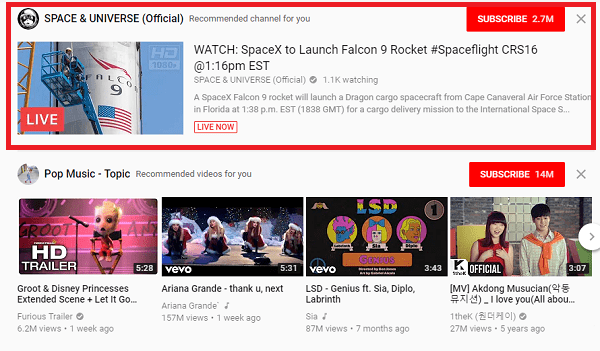
YouTube Chatbots
As we all know, Chatbots will automatically converse with customers. Hence, YouTube chatbots will be a significant trend in the coming days, and they will also reduce the cost of sales and support. The brands can provide 24/7 support to the audience without struggling much.
Only Quality Matters for YouTube Video Ranking
The quality of the content is the primary aspect of finding audience engagement. YouTube video ranking depends on the quality of the video content you upload.
The higher the video ranking you gain on YouTube, the more you reach the audience through YouTube searches. Delivering high-quality video content will be the most sought-after on YouTube.
More YouTube Influencer Platforms will evolve
Currently, the brands collaborate with YouTube creators to place ads or brand the products as influencers. YouTube influencers are the best source for business brands to get sales through real-time customers. Suppose you take a YouTube fashion, then those become influencers to particular brands’ fashion products like lipstick, stimulating the audience to become customers. The word influencer is the most chased on giant social media sites like YouTube.
More Branded Content will evolve
Branded content is the pocket where businesses can best fit in elaborating. Native video advertising is the most impactful source on YouTube to attract customers from the audience. It may be a little bit expensive to launch one’s own branded video content, but the result of it is more than we expected.

More 360-degree video content
Already, 360-degree videos are rolling on YouTube, and 360-degree videos give users an immersive experience. Most video advertising brands are making amendments to explore their brand through 360-degree videos. It seems to be a challenge for advertisers in the market.
YouTube Geo-located Video Search and Trends
When the audience views videos on YouTube, it generates location-based videos. That means it prefers the videos according to the location. The audience can search for YouTube videos by location. The YouTube Geo-located video helps the creators and brands take off locally first.
YouTube is integrated into the Internet of Things
Internet-of-Things projects that allow users to access data from millions of devices. In such a way, Yo, YouTube is integrated into the Internet of Things, where all can access YouTube videos.
YouTube Personalized Videos
YouTube audiences may prefer to watch more personalized videos. That means the customized videos will share one’s individualized experience with the audience. These videos are inspiring for the audience while they are watching. No, it has become a hot topic in video marketing.
AI and machine learning play an essential role in YouTube
Using AI and machine learning helps generate a good customer experience. Moreover, predictive analytics will improve ROI. While watching YouTube videos after finishing,t if you continue to monitor the following video, then resemble the YouTube AI through which it finds the audience interested.
New YouTube Video Ad: Creating a compelling video ad campaign to engage customers is possible only through YouTube. That means the different ad formats like display ads, overlay ads, skippable and non-skippable video ads, bumper ads, etc., are available in Google AdWords.
YouTube will display the ads according to the user’s interest in video content, where the relevant customers can be found. An improvement in ad revenue was observed.
YouTube Vertical Video on the Rise
Vertical mobile videos are on the rise as they occur on IGTV. As vertical videos are user-friendly to watch on mobile, audiences prefer watching YouTube vertical videos more than horizontal videos. Depending on the user interest,t the business brands are stepping towards that to gain a reputation.
The End of Watch Time Optimization: Inside YouTube’s New Content Mechanics
The core engineering team at YouTube has quietly altered how videos find an audience. For nearly a decade, channel growth depended on a simple metric: raw watch time.
If you kept a viewer on the platform for twenty minutes, the algorithm rewarded you with millions of impressions. That era is over.
Platform data indicates a structural shift toward post-video satisfaction signals and explicit user feedback.
Keeping someone staring passively at a screen no longer satisfies the recommendation engine.
If a viewer finishes your video and immediately closes the app, fills out a negative feedback survey, or ignores the comment section, your next upload will suffer.
Understanding these system changes determines whether a channel thrives or drops into algorithmic obscurity.
The Algorithmic Decoupling of Shorts and Long-Form Feeds
The system handles short-form and long-form video pipelines as completely separate entities. Historically, creators feared that launching a short-form strategy would damage their main channel analytics.
If short-form viewers clicked away from a twenty-minute documentary, the channel’s overall click-through rate crashed.
The recommendation engines are now fully decoupled.
Success or failure inside the Shorts feed has zero statistical impact on long-form Browse feed impressions. This separation protects core channel visibility and changes how creators approach production.
The stakes for short-form production are higher than ever. The system analyses the initial two seconds of a Short with extreme scrutiny.
Optimization relies heavily on the view-versus-swipe-away ratio.
If a mobile user swipes past a video within the first two seconds, the algorithm restricts further distribution within the hour.
First-frame retention dictates the entire viral lifespan of short-form assets.
The New King of Metrics: Post-View Satisfaction
The algorithm now tracks user sentiment directly. This includes automated post-video micro-surveys and deep text analysis of comment sections.
The recommendation engine values deep text interactions over passive likes.
A channel receiving twenty comments containing genuine discussion outpaces a channel receiving two hundred single-emoji responses.
The system analyzes text structure to identify authentic community value.
Session contribution metrics now penalize channels when viewers exit the platform immediately after a video concludes.
The goal is simple: your content must inspire the viewer to stay active within the ecosystem.
The Transformation of Search: Conversational SEO and Gemini Integration
The traditional approach to YouTube SEO is no longer effective.
The deployment of conversational search interfaces, powered by Google’s Gemini architecture through features like Ask YouTube, changes how users discover content.
Viewers do not just type single keywords into a search bar anymore.
They ask complex, multi-part questions, such as “How do I fix a leaking pipe behind a kitchen wall without calling a plumber?”
Channels that structure videos to answer these exact multi-layer questions capture search traffic.
Creators must build content around clear, logical solutions rather than repeating a single target keyword in the description.
Optimization now requires structural authority on a topic.
The Operational Reality of Gen-AI Tools and Strict Compliance
YouTube has built generative artificial intelligence tools directly into the creator pipeline.
These tools handle synthetic background design, automated script assistance through the Inspiration Tab, and instant multi-language audio tracks.
The integration of the Aloud automated dubbing framework allows single-market creators to capture global audiences.
A creator can record a video in English and instantly deploy verified Spanish, Portuguese, and French audio tracks. This levels the playing field for international traffic, turning localized channels into global media properties.
This scale brings strict compliance protocols. YouTube enforces a rigid synthetic media labeling policy.
If a video contains realistic AI-generated or altered imagery or audio, the creator must apply the synthetic media tag during upload.
The consequences of ignoring this rule are severe. The platform’s automated safety systems use machine learning classifiers to scan uploads for synthetic content.
Failing to disclose AI modifications triggers immediate programmatic demonetization and limits feed velocity.
The Likeness Shield and the Protection of Creator Assets
As deepfakes and automated content farms scale, identity protection has become a primary operational focus. YouTube has deployed automated likeness detection systems that function similarly to Content ID.
Creators can complete biometric verification by submitting government IDs and reference videos to a central database.
The system scans the platform for unauthorized synthetic clones using the creator’s face or cloned voice.
If an automated channel attempts to scrape a creator’s identity to build a faceless channel, the platform flags and suppresses the content within a sub-24-hour window.
The platform has also thrown full operational backing behind federal identity legislation like the NO FAKES Act.
Protecting a creator’s physical appearance and vocal assets is now treated as a strict legal and technical priority.
Monetization Realignments: Moving Past Ad Revenue
The YouTube Partner Program recently crossed the milestone of distributing over 100 billion dollars to creators over four years.
The current monetization climate requires moving away from standard ad revenue dependencies.
Fluctuating CPM rates make relying solely on the standard ad split risky.
The platform is pushing native commerce integration.
Over 500,000 creators use YouTube Shopping tools.
YouTube Studio now includes storefront optimization metrics, letting creators track live checkout conversions directly inside their analytics dashboard.
The Brand Partnership Hub has integrated media kit verification tools.
Creators can pitch directly to active corporate advertising campaigns using first-party metrics verified by YouTube, bypassing traditional talent agencies.
Production value is also changing. High-performing channels are treating YouTube as primary television programming.
Top creators are buying traditional soundstages and hiring broadcast-level crews to build episodic series tailored for smart TV layouts.
Living room watch time is outperforming mobile app interaction for high-tier channels. Content must look pristine on an eighty-inch television screen.
Technical Breakdown of the Current YouTube Framework
The entire platform architecture divides operational tasks into clear systems.
The following breakdown outlines exactly how the platform processes content, manages safety, and distributes impressions across various formats.
Governance and Safety Systems
The platform relies on automated machine learning classifiers to execute safety enforcement actions.
This infrastructure works on a sub-24-hour detection window to counter automated networks that use LLM scripts to flood feeds with low-effort content.
Identity Protection Metrics
The platform uses biometric verification databases to fuel its likeness detection systems.
This protects original creators by running continuous scans to prevent unauthorized deepfakes or voice clones from monetizing.
Search and Discovery Framework
Discovery uses conversational interface modeling rather than simple metadata matching.
The recommendation engine prioritizes videos that provide structural answers to multi-part user queries over basic keyword density.
Localization Infrastructure
The system uses the Aloud automated dubbing framework to handle multi-language tracks. This tool shifts localization from an expensive luxury to a standard asset available to global viewing audiences.
Algorithmic Quality Filters
The platform uses active pattern-recognition classifiers to detect repetitive structural layouts. This system identifies and suppresses low-retention synthetic media loops to protect the main feed from unoriginal content.
Conclusion
Don’t stick to the old, dead concepts that are not working anymore. Along with entertainment, YouTube is an excellent treasure for YouTubers and marketing brands to gain the most.
YouTube Trends And Predictions For 2026: FAQs
What Are the Major YouTube Trends Expected in 2026?
The major YouTube trends expected in 2026 include Ad Pods, YouTube on TV, live video growth, chatbots, influencer marketing, branded content, 360-degree videos, geo-located search, personalized videos, AI-driven recommendations, and vertical video content.
Why Is YouTube Important for Creators and Brands?
YouTube is important because it helps creators build careers, earn through monetization, grow their audience, and allows brands to promote products, increase visibility, and connect with customers through video content.
What Are YouTube Ad Pods?
Ad Pods are two video ads shown back-to-back before or during a video. They reduce the number of interruptions by grouping adr, helping improve the viewing experience.
How Can Ad Pods Benefit Advertisers?
Ad Pods can help advertisers increase audience engagement by showing ads with fewer interruptions. This may improve ad recall and make campaigns more effective.
Will YouTube Continue Growing on Television Screens?
Yes, YouTube viewing on television screens is expected to grow. Many users now watch YouTube on smart TVs, giving advertisers more opportunities to target audiences through TV screen ad placements.
Why Is YouTube on TV Useful for Advertisers?
YouTube on TV allows advertisers to reach viewers who watch videos on larger screens. This creates a television-like advertising experience with digital targeting options.
Will YouTube Live Continue to Grow in 2026?
Yes, YouTube Live is expected to keep growing because it allows creators and brands to interact with audiences in real time through live chat, Q&A sessions, product launches, and events.
How Can Brands Use YouTube Live?
Brands can use YouTube Live for product demonstrations, customer support, live shopping, webinars, interviews, behind-the-scenes content, and direct audience engagement.
What Are YouTube Chatbots?
YouTube chatbots are automated tools that can respond to viewers, answer common questions, provide customer support, and help brands manage audience communication more efficiently.
How Can Chatbots Help Brands on YouTube?
Chatbots can provide 24/7 support, reduce customer service costs, answer product-related questions, and improve the overall viewer experience.
Why Does Quality Matter for YouTube Video Ranking?
Quality matters because YouTube promotes videos that keep viewers engaged. High-quality videos are more likely to rank higher in search results and recommendations.
What Factors Affect YouTube Video Ranking?
YouTube video ranking can be affected by watch time, audience retention, engagement, video quality, relevance, title, description, keywords, thumbnails, and viewer satisfaction.
Will YouTube Influencer Marketing Grow in 2026?
Yes, YouTube influencer marketing is expected to grow as more brands collaborate with creators to promote products and reach targeted audiences.
Why Do Brands Work with YouTube Influencers?
Brands work with YouTube influencers because influencers have loyal audiences and can promote products in a more authentic and relatable way.
What Is Branded Content on YouTube?
Branded content is video content created to promote a business, product, or service while still offering value or entertainment to the audience.
Why Is Branded Content Effective on YouTube?
Branded content is effective because it feels more natural than traditional advertising and can build trust, awareness, and interest among viewers.
What Are 360-Degree YouTube Videos?
360-degree videos are immersive videos that allow viewers to explore content from different angles, creating a more interactive viewing experience.
How Can Brands Use 360-Degree Videos?
Brands can use 360-degree videos for virtual tours, product experiences, travel content, real estate showcases, event coverage, and interactive storytelling.
What Is Geo-Located Video Search on YouTube?
Geo-located video search refers to location-based video discovery, where users can find videos relevant to a specific place or region.
Why Are Vertical Videos Becoming Popular on YouTube?
Vertical videos are becoming popular because they are easy to watch on mobile devices. With more users consuming content on smartphones, vertical videos are expected to grow further in 2026.
